Maruti Suzuki installs 1 MWh battery storage system at Kharkhoda plant

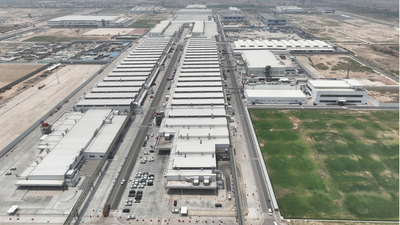
Maruti Suzuki has announced the commissioning of a 1 MWh Battery Energy Storage System (BESS) at its Kharkhoda manufacturing facility in Haryana, as part of its efforts to improve the use of renewable energy and reduce emissions. The system complements the 20 MWp solar power plant that was installed on the facility in 2025 and was introduced as a pilot project connected to the power plant’s internal power distribution network.The battery storage system is designed to capture excess solar energy generated during factory holidays or periods of low electricity demand and restore it when needed. Apart from reducing wastage of renewable energy, Maruti Suzuki says BESS will also support grid stability within the plant. Simply put, the system works like a large rechargeable battery. Instead of allowing excess electricity from a solar power plant to go unused when production activities stop, it stores that energy and releases it during periods of higher demand.
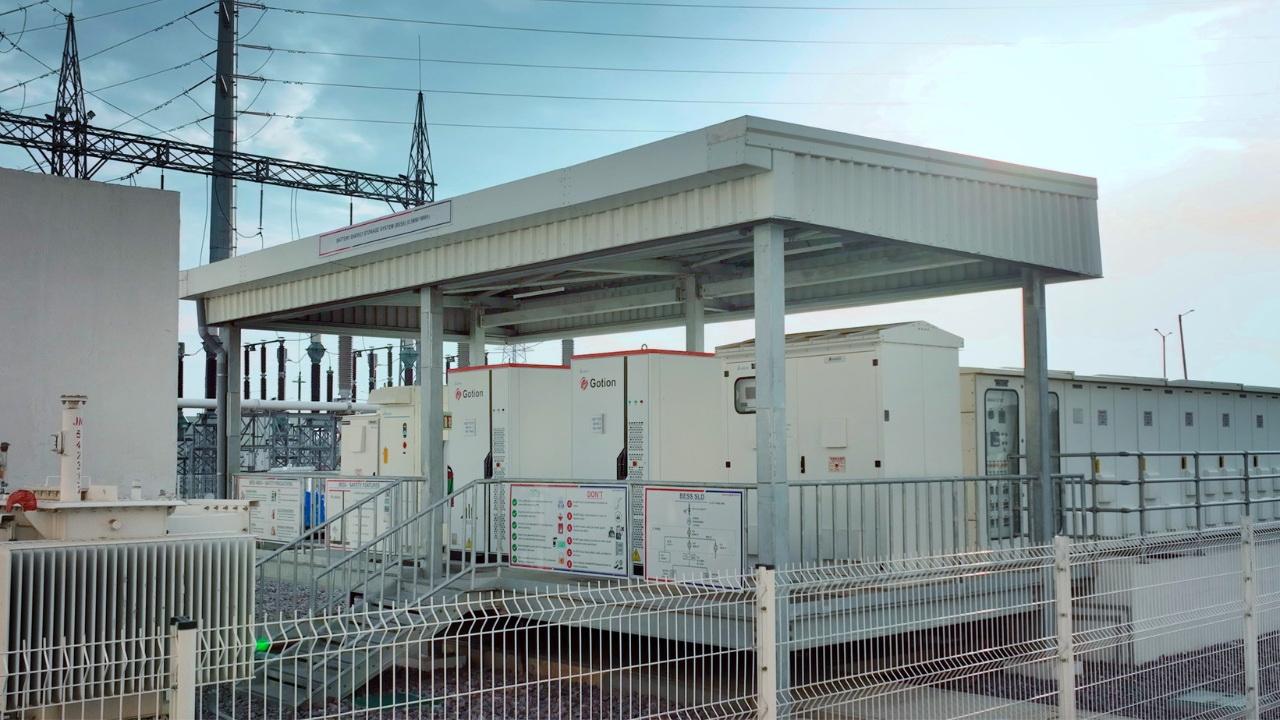
According to the company, the BESS has an expected life of about 15 years. CO₂ emissions are expected to be reduced by almost 54 tons per year by increasing the use of solar energy produced at the Kharkhoda plant. The automaker also said it remains committed to reducing Scope 1 and Scope 2 emissions even as production volumes increase. The focus will remain on reducing carbon intensity and overall emissions from production operations.Maruti Suzuki’s environmental map is aligned with that of the parent company, Suzuki Motor Corporationwhich set an interim target of reducing Scope 1 and Scope 2 CO₂ emissions by 42 percent by FY2030-31, compared to FY2022-23. Although the battery storage system does not directly affect the vehicles produced at the plant, it is expected to improve the efficiency of using renewable energy as production at Kharkhoda grows. The project marks another step in Maruti Suzuki’s efforts to make its manufacturing operations more sustainable.Announcing the initiative, Mr. Hisashi Takeuchi, Managing Director and Chief Executive Officer, Maruti Suzuki India Limited said, “Maruti Suzuki is strongly aligned with India’s focus on building self-reliant energy ecosystems. The introduction of Battery Energy Storage System (BESS) at our facility in Kharkhoda is part of these continuous efforts. With a life cycle of about 15 years, BESS will help reduce CO₂ emissions by almost 54 tons per year. He added: “Going forward, our production volumes will increase from current levels. Nevertheless, we remain committed to lower Scope 1 & 2 emissions, not only in terms of CO2 intensity, but also in absolute CO2 emissions in production. Our approach is in line with the environmental vision of our parent company, Suzuki Motor Corporation, which has set a medium target of reducing Scope 1 & 2 CO2 emissions by 42% by FY 2030-31 compared from FY 2022-23.




















Post Comment