Monsoon Riding Guide: Dos and Don’ts for Two-Wheeler Owners
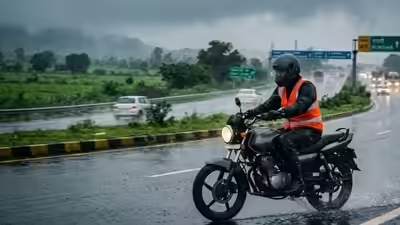
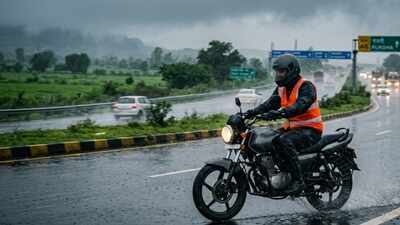
The monsoon season brings welcome relief from the summer heat, but it also makes riding a two-wheeler significantly more challenging. Heavy rain and slippery surfaces increase the risk of slips, breakdowns and accidents. However, a few preventative measures and proper driving habits can improve safety during the rainy months. Here’s a quick guide to monsoon riding.
Guide to Monsoon Riding in India: Quick Tips
One of the first things motorists should check before the monsoons are the tires of their motorcycles or scooters. Good tread depth is key to maintaining grip on wet roads, as worn tires have a hard time dispersing water and are more prone to aquaplaning. Tire pressure should also be checked regularly and maintained within the manufacturer’s recommended range.The brake system also deserves attention before the start of the rainy season. Brake pads, brake shoes and cables should be inspected for wear, as the stopping distance is significantly longer on wet roads. Riders with ABS-equipped motorcycles should also ensure that the sensors and wires are clean and functioning properly.Riders should also check that their headlights, taillights and indicators are working properly, while those using scooters with windscreens should check for scratches or fogging that could affect visibility.Protective gear for riding becomes even more important during the rain. A waterproof riding jacket or rain suit helps riders stay dry and maintain concentration, while a full-face helmet with an anti-fog visor or Pinlock insert improves visibility. Gloves with textured palms also help maintain a secure grip on the handlebars.When on the road, driving style plays a major role in safety. Speeds should be reduced and the distance from the vehicle in front should be increased as wet roads can almost double the braking distance. Light throttle inputs and gradual braking using the front and rear brakes help reduce the possibility of skidding. Visibility is another key concern during heavy rain. Drivers should use low beams instead of high beams because high beams reflect raindrops and reduce visibility. Keeping a safe distance from large vehicles such as buses and trucks is equally important as the water spray they create can make it difficult to see the road ahead.After finishing the ride, riders should wipe down the motorcycle, especially the chrome and exposed metal parts, to reduce rust. The air filter should be checked periodically during the season, as moisture and dirt can affect the operation of the engine. It is also advisable not to postpone the planned service, because constant exposure to rain and dirt accelerates the wear of several components.


























Post Comment