Man quits his corporate job after 18 years, saying office politics was the last straw
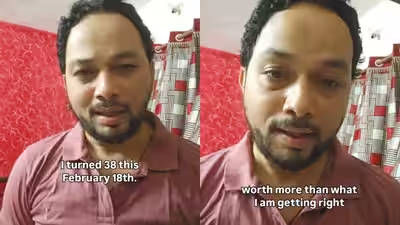
On Instagram, a user passed by @dharambuilds Shared a video that has been quietly circulating recently. In the book, he describes eighteen years spent in the corporate world, a career built on consistency rather than recognition.He stayed after his shift. He trains new employees. He handles escalations that are not officially his to resolve. According to his own account, this was not an accidental attempt, but a pattern repeated by many companies over the past two decades.
Go to promotions elsewhere
The turning point in his story is deliberately unobtrusive. The promotion he expected, determined by years of unpaid extra labor, was ultimately won by someone else. He attributes this to office politics, a term that no longer has shock value precisely because so many professionals recognize it immediately.At thirty-eight, with a ten-year-old daughter and elderly parents to rely on, he said he asked himself a question that many quietly avoid: If not now, then when.
Eighteen years of skill, an uncertain bet
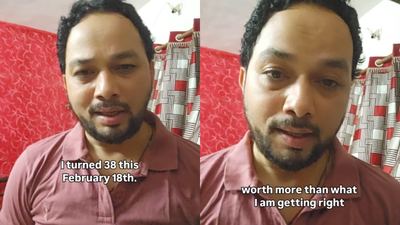
What’s different about this story is the honesty about the risks. He stated directly that savings would not exceed a six-month buffer period. There are no dramatic narrative reinventions here, no claims of overnight confidence. Instead, he described the frustrations that had built up over the years while believing his experience was worth more than the compensation he received.
The line that is with you
The most striking part of his message was not the resignation itself, but an observation in his written note: Time is the most valuable asset, and most people spend eighteen years giving away their time to companies without asking what they can keep for themselves.This tension is familiar to anyone who has stayed up late, trained new people, or taken on a company-running role without recognition. His story does not suggest that quitting the job was easy or that a job was guaranteed. It just assumes that staying, out of habit or fear, has its own silent costs.In an economy that often presumes loyalty rather than rewards, his decision reads less like inspiration and more like a question for everyone still weighing the same options.




























Post Comment